Only one-sixth of a penny divides the House and the Senate

25CLIFF+photo+Harris
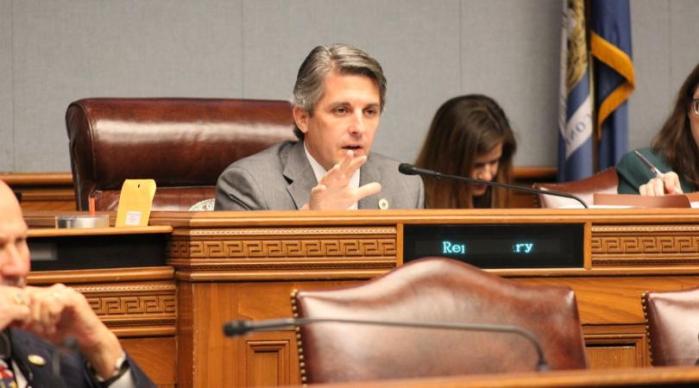
Rep. Lance Harris, R-Alexandria, tweeted Monday that he had told the governor that House Republicans were sticking with their lower sales tax proposal. (Photo: Sarah Gamard)

Paul Braun and Drew White

It’s only one-sixth of a penny.

That’s all that divides the House and the Senate over how much of an expiring penny of sales tax to extend.

That extra sixth of a penny would cost Louisiana residents 17 cents on a $100 purchase. If you shop for school supplies for a high school student, it would add 67 cents to the average $392 bill. It would boost the cost of a $1,299 MacBook Pro by $2.21 and add $69.70 to the $41,000 sticker price of a well-equipped Lexus ES sedan.

It also would raise $150 million a year to avert cuts to TOPS, health care, and other services.

Read the story in KALB.

Black Caucus wins legislative victories in Senate during special session

Paul Braun and Devon Sanders

03caucus_photo_morrell
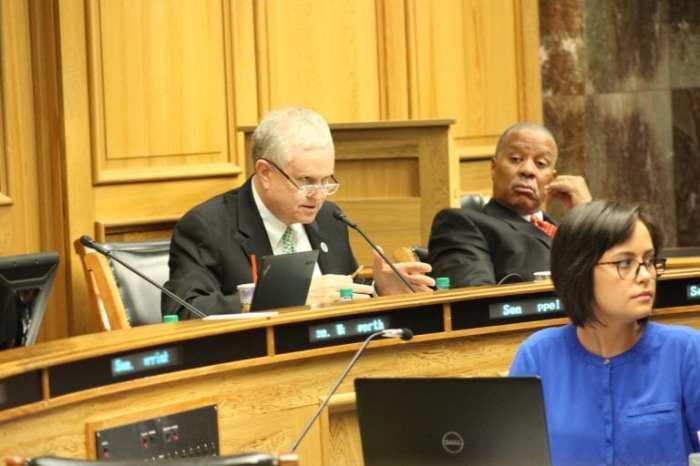
Sen. J.P. Morrell, right, who pushed for an increase in the earned income tax credit, huddled with other senators on the Senate floor Sunday. (Photo: Tryfon Boukouvidis, LSU Manship School News Service)

The Legislative Black Caucus succeeded in a last-minute bid to revive an expansion of the state’s earned income tax credit in a bill passed by the Senate Sunday.

The change would cost the state $21 million. But caucus members argued that it was needed to offset some of the impact on the working poor of a possible extension of half of the penny of sales tax set to expire this summer.

Sen. J.P. Morrell, D-New Orleans, said the link between the earned income tax credit and the sales tax renewal could determine the fate of the special session.

“I think the House has to make a decision as to whether they want to risk the sales tax by not allowing for the increase in EITC,” Morrell said. “That’s not just a Senate problem. There are a tremendous amount of House members, in particular in the Black Caucus, that struggle with the idea of continuing a half-penny of sales tax.”

Read the story in WWNO.

Senate passes half-cent sales tax and budget bills

5b14d249da43f.image
Sen. Eric LaFleur, D-Ville Platte, presented the spending bill that passed the Senate Sunday night. (Photo: Tryfon Boukouvidis, LSU Manship School News Service)

Tryfon Boukouvidis and Kaylee Poche

The Senate on Sunday approved a budget 38-1 that would fully fund TOPS scholarships, public universities and hospitals for the poor while imposing 2 percent cuts on other agencies.

The Senate also passed 29-9 a revenue bill that would raise $541 million by extending half of the extra cent of sales tax that is set to expire on July 1. The half of a cent would expire in 2025.

The Senate effectively challenged the House to renew more taxes than it would like to avoid more sweeping cuts as the special session comes to a close Monday. A version of the bill passed by the House last week would raise $396 million, partly by extending one-third of a cent of the sales tax.

But Sen. Eric LaFleur, D-Ville Platte, said in an interview Sunday night that he does not expect the House to agree to some of the changes, setting up a tense and dramatic finale for the sixth special session in two years.

Read the story in KTBS.

Republican budget questioned over cuts to health programs

01cliff_photo_henry
State Rep. Cameron Henry, R-Metairie and chairman of the House Appropriations Committee, proposed the House budget that would cut health programs and TOPS funding. (Photo: Sarah Gamard)

Tryfon Boukouvidis

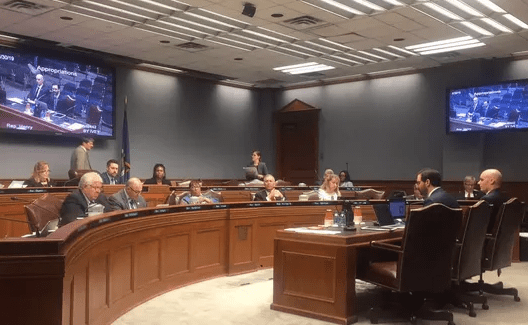
The Louisiana Senate Finance Committee today questioned a Republican budget passed by the House that would fully fund hospitals for the poor but slash funding for other health programs by $116 million.

Including federal matching dollars, the total cuts to the Louisiana Department of Health would amount to over half a billion dollars, compromising mental health services and substance abuse treatment programs when temporary revenue measures expire on July 1.

“We can’t continue to cut and appropriately meet the needs of the people of this state,” said Health Secretary Rebekah Gee.

The hearing illustrated the continuing divide between House Republicans, who are focused on cutting the size of state government, and many senators, who want to raise more revenue to avoid cuts in health care and the TOPS scholarship program.

Read the story in Gambit Weekly.

Tension over budget continues in the House and Senate

Tryfon Boukouvidis

LUNEAU00000000.jfif
Sen. Jay Luneau, D-Alexandria, saw his bill getting involuntarily deferred by the House Ways and Means Committee on Thursday. (Credit: Tryfon Boukouvidis, LSU Manship School News Service)

It was payback time in a House committee on Thursday.

After Senate Democrats chastised Republican leader Rep. Lance Harris of Alexandria on Wednesday over a bill that raised less revenue than the governor says is needed, a Republican-led House committee on Thursday grilled two of those Democrats and rejected or deferred bills they had proposed.

The House Ways and Means Committee put off a bill by Sen. Jay Luneau, D-Alexandria, and voted down two bills by Sen. Jean-Paul Morrell, D-New Orleans, the chair of the Senate Revenue and Fiscal Affairs Committee, adding to the tensions between the chambers as they rush to see if they can agree on revenue and budget bills before the special session ends on Monday.

Both senators had intensely questioned Harris’ budget numbers Wednesday night and rebuked him for refusing to make changes to raise significantly more revenue to address the $648 fiscal cliff that is projected to occur when temporary tax measures expire on July 1.

Read the story in KALB.


Analysts: LA residents pay some of the lowest taxes in the nation

5b1aa420d65ae.image
Rep. Lance Harris, R-Alexandria, said his constituents want to limit revenue increases and cut the size of state government. (Photo: Sarah Gamard, LSU Manship School News Service)

Kaylee Poche

As lawmakers battle over raising more revenue, tax and budget analysts say it is worth keeping in mind that Louisiana residents pay some of the lowest state taxes in the country.

The Tax Foundation, an independent tax policy research organization, estimated this year that Louisiana and Alaska had the earliest “Tax Freedom Day” of any states–April 4th.

That’s the date, the group says, by which the residents of a state have collectively earned enough money to cover all their federal, state and local taxes for the year, and it provides a rough measure for comparing the tax burdens among the states. New York residents did not hit their tax freedom day until May 14th.

The foundation earlier did a more comprehensive study using 2012 data and found that Louisiana’s state and local tax burden was the sixth lowest in the nation as a share of total state income. Louisiana had relatively low property, individual income, and corporate taxes.

Read the story in The Ouachita Citizen.

Gov. Edwards signs anti-hazing legislation

5b1aa290baafe.image
Members of the Gruver family watch as Gov. John Bel Edwards signs one of four bills addressing hazing Thursday. (Devon Sanders, LSU Manship School News Service)

Devon Sanders

Four bills to stop hazing were signed into law by Gov. John Bel Edwards Thursday.

Edwards also signed legislation that would restore voting rights to felons on parole five years after their release from prison.

The anti-hazing bills make hazing a felony, strengthen penalties for those who are involved or aware of hazing and require universities to create hazing prevention training.

Rae Ann Gruver, mother of Maxwell Gruver, an LSU freshman who died after he was forced to drink six times the legal alcohol limit at a fraternity house, said that the laws send a message to the entire country.

“Hazing is a problem across the country and things need to change,” Gruver said. “The culture needs to change on hazing. Four bills going through today related to hazing is huge. It says a lot about where the problem is. So I think people need to start standing up and taking action and make the change happen.”

Read the story in The Louisiana Weekly.

Senate passes bill to expand a tax credit for working poor

CRIME000000001
The Senate passed a bill by Sen. J.P. Morrell, D-New Orleans, to expand a tax credit for the working poor to offset some of the impact of a possible sales tax extension. (Credit: Sarah Gamard, Manship School News Service)

Paul Braun

The Senate voted 30-5 to increase the state’s earned income tax credit by 42.8 percent to offset some the impact that a renewal of part of the state’s sales tax would have on the working poor.

The state’s earned income tax credit is 3.5 percent of the amount of a similar federal credit. Morrell’s bill would increase it to 5 percent.

However, his bill also would need to pass the House, which killed two similar bills in committee on Friday.

Increasing the tax credit would cost the state an estimated $21 million in revenue, making it a tough sell amid the state’s current budget crisis.

Read the story in KALB.

‘Mr. Transparency’ tells it like it is in the Legislature

636633069698709650-Barry-Ivey
Rep. Barry Ivey, R-Central, listens to debate on a tax bill earlier this year. (Photo: Sarah Gamard)

Kaylee Poche and Ryan Noonan

No one in the Louisiana Legislature has to snoop in backroom meetings to know what Rep. Barry Ivey, R-Central, is thinking.

He will tell you right on the House floor, and this week he’s not too happy that the Legislature seems likely to apply another band-aid to the state’s budget woes instead of coming up with a more comprehensive solution.

“I realize why Louisiana is shaped like a boot, because we’re a kick-the-can state every time,” Ivey said last week.

Infamous around the Capitol for his blunt and passionate speeches and his conservative principles, Ivey has earned the nickname “Mr. Transparency” among his colleagues. He also is willing to call out members of his own party, including former Gov. Bobby Jindal, who, he says, helped to create the budget mess by putting his presidential ambitions ahead of the needs of the state.

Read the story in The Daily Advertiser.

Senate committee attempts to close budget gap by eliminating business tax exemptions

30CLIFF-photo-Harris-300x350
Rep. Lance Harris, R-Alexandria, listening to questions Wednesday from senators about his sales tax bill. (Tryfon Boukouvidis, LSU Manship School News Service)

Tryfon Boukouvidis

With the clock ticking down, a Senate committee on Wednesday amended a House Republican bill to sharply increase the revenue that it would raise to $642 million from $365 million to address a looming budget shortfall.

The Senate Revenue and Fiscal Affairs Committee agreed to keep a proposed extension of a third of a penny of sales tax rather than increasing it to a half cent, as many analysts had expected. But the panel was still able to raise so much more revenue by eliminating tax exemptions for various industries.

It also voted to remove a House provision that would have ended the extra third of a cent of sales tax in 2023.

The bill now moves to the Senate floor. Senate passage would set up a showdown with the more conservative House, and a conference committee with members of both chambers would have resolve the differences before the special legislative session expires on Monday.

Read the story in BIZ.